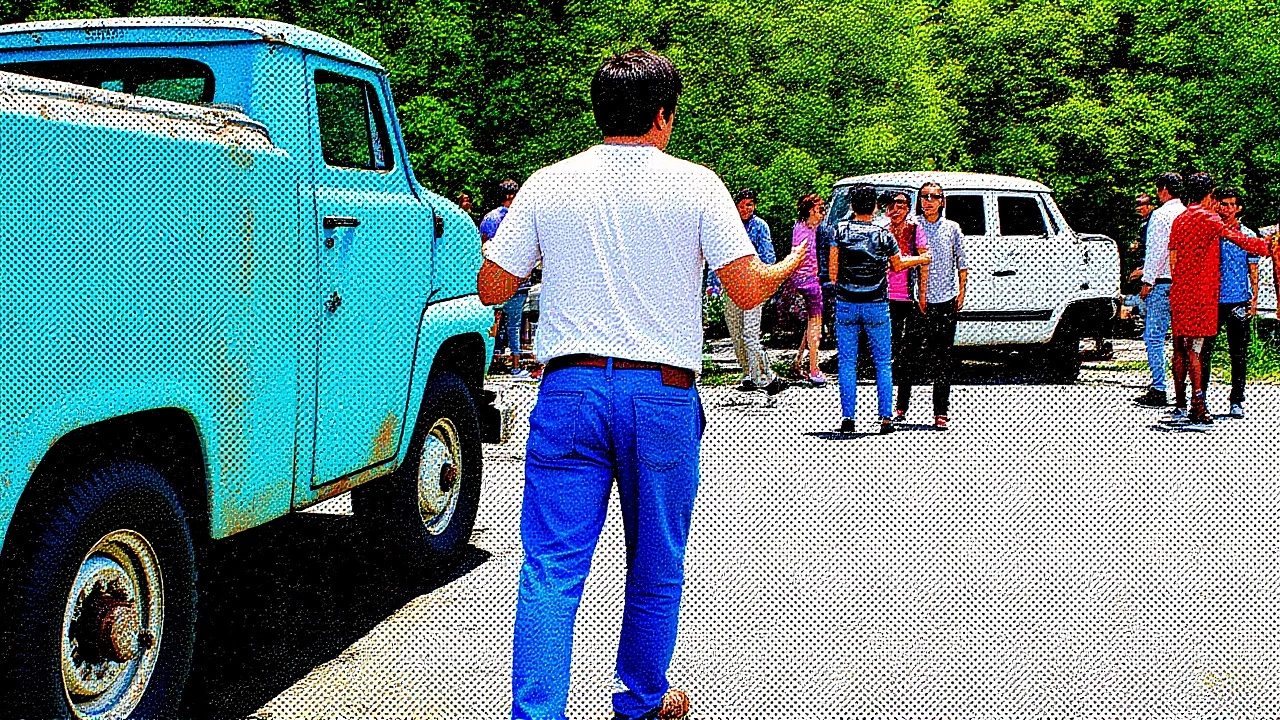
When Shambhavi, Member of Parliament for Samastipur, stepped in to resolve a tense standoff at Rosera Ghat Railway Station, the indefinite hunger strike by local youths came to an abrupt end. The protest, which had drawn significant attention in the Samastipur district of Bihar, centered on a single, persistent demand: that passenger trains must halt at this station. It’s a classic case of grassroots pressure meeting political intervention, and the resolution was swift.
The twist is that this wasn’t just about inconvenience; it was about connectivity. For years, residents have argued that their station, despite its strategic location, has been bypassed by several key routes. The youths’ decision to go on an *aamaran* (indefinite) hunger strike signaled how deeply this issue cuts into daily life. But here’s what matters most: MP Shambhavi didn’t just offer empty words. She provided a concrete timeline.
A Promise with a Deadline
In a video clip circulating locally, Shambhavi is heard making a firm commitment to the protesters. “We will implement this within two months, under any circumstances,” she stated. That specific timeframe—60 days—is crucial. In Indian politics, promises often fade into the ether, but a hard deadline creates accountability. The details of exactly which trains will stop remain unclear, but the assurance itself was enough to call off the strike.
This incident highlights a broader pattern in rural Bihar. When infrastructure gaps affect thousands, people don’t wait for annual budget reviews. They take to the streets—or in this case, sit outside the station premises. The fact that the protest ended so quickly suggests that Shambhavi’s team likely had preliminary discussions with railway officials before the public confrontation escalated.
The Reality of Rosera Ghat Station
To understand why this protest gained traction, you need to look at the station itself. Rosera Ghat (station code ROA) isn’t a major junction. As noted in recent vlogs by creators like GAON WALA, it functions more as a local halt than a hub. The facilities are basic but functional. There’s a ticket counter that handles both ordinary and reservation tickets, which is a relief for locals who might otherwise have to travel to larger cities like Muzaffarpur or Samastipur city center.
Access, however, remains a minor hurdle. The station sits about 1 kilometer away from the main road. Passengers typically rely on auto-rickshaws to bridge that gap, paying between ₹10 and ₹15 per trip. Bike parking is available near the entrance, with fees starting at ₹10 depending on duration. While these costs seem negligible, they add up for daily commuters. More importantly, the lack of direct train stops forces many to choose longer, more expensive alternatives.
Context: Post-Lockdown Recovery and Local Economy
The timing of this protest is interesting. Footage from channels like mehtajivlogs shows the station recovering from post-lockdown restrictions, indicating a return to normalcy in passenger movement. With businesses reopening, the need for reliable transport has intensified. Local ticketing agents, listed on platforms like Justdial, operate 24 hours a day to meet this demand. Yet, without train halts, even the best ticketing service doesn’t help if there’s no train to board.
Interestingly, some rumors circulated about inspections of Tatkal ticket counters causing commotion at the station. However, verified sources do not support this claim. The core issue remains strictly about train schedules and stops. Confusing ticket counter operations with route planning misses the point entirely. The community wants movement, not just administrative scrutiny.

What Happens Next?
All eyes are now on the Ministry of Railways and the North Eastern Railway zone. Shambhavi’s two-month window closes soon. If the promised halts aren’t implemented, we could see renewed protests. Conversely, if even one major express train begins stopping at Rosera Ghat, it could serve as a model for other underserved stations in Bihar.
For now, the silence after the hunger strike feels heavy. Residents are waiting. The youth who risked their health for this cause are watching. And Shambhavi has her work cut out for her. This isn’t just a local story; it’s a test of whether political assurances translate into tangible infrastructure changes.
Frequently Asked Questions
Why were youths protesting at Rosera Ghat Railway Station?
The youths were holding an indefinite hunger strike because several passenger trains do not halt at Rosera Ghat Railway Station. This lack of stops forces residents to travel longer distances or pay higher fares for alternative transport, significantly impacting daily commutes and local economic activity in the Samastipur district.
What assurance did MP Shambhavi give to the protesters?
MP Shambhavi assured the protesters that the demand for train halts would be implemented within two months. She explicitly stated that this would happen "under any circumstances," providing a strict deadline for the railway authorities to adjust the schedule to include Rosera Ghat Station.
Is there a Tatkal ticket counter inspection controversy at the station?
No, there is no verified evidence of a Tatkal ticket counter inspection causing panic or commotion at Rosera Ghat Railway Station. Available reports confirm that the primary issue was the demand for train stops. Rumors regarding ticket counter inspections appear to be unrelated to the actual hunger strike events.
How far is Rosera Ghat Station from the main road?
Rosera Ghat Railway Station is located approximately 1 kilometer away from the main road. Passengers typically use auto-rickshaws to reach the station, with fares ranging between ₹10 and ₹15. Bike parking is also available nearby, with fees starting at ₹10 depending on the duration of stay.
What are the current facilities at Rosera Ghat Railway Station?
The station features a ticket counter that issues both ordinary and reservation tickets. It is not a junction station but serves local passengers effectively. Basic amenities include drinking water arrangements and bike parking. The station operates under the code ROA and is part of the North Eastern Railway network.